World Cuisine
Every culinary tradition offers a unique lens through which to understand flavor, technique, and the relationship between cook and ingredient. World cuisine isn’t just a collection of exotic recipes—it’s a vast library of problem-solving approaches developed over centuries. When a French pastry chef obsesses over gram-precise measurements, an Italian cook celebrates the ripeness of a tomato, or a Mexican abuela grinds nixtamalized corn into masa, they’re each expressing fundamentally different philosophies about what makes food delicious and meaningful.
Understanding these diverse approaches transforms you from someone who follows recipes into someone who truly comprehends cooking. This foundation explores the core techniques, ingredients, and mindsets that define the world’s most influential culinary traditions—from the precision-driven world of French pastry to the umami-rich foundations of Asian cooking, the ingredient-focused simplicity of Mediterranean cuisine, and the ancient processes that define Mexican gastronomy. Whether you’re drawn to fusion experimentation or seeking authenticity, these fundamental principles will deepen your skills and broaden your culinary perspective.
The Precision and Technique of French Pastry
French culinary tradition, particularly in pastry, operates on a principle that might seem counterintuitive to home cooks: restriction breeds creativity. The rigorous adherence to precise measurements, specific tools, and established techniques isn’t about limiting expression—it’s about creating a reliable foundation upon which mastery can be built.
Why Precision Matters in French Technique
Unlike savory cooking where adjustments happen throughout the process, pastry operates more like chemistry. A difference of 10 grams of flour or 5 degrees in oven temperature can mean the difference between a perfectly laminated croissant and a dense, greasy disappointment. Digital scales measuring to the gram aren’t optional luxuries—they’re fundamental tools that ensure reproducible results. This precision extends to understanding why French recipes often specify butter fat percentages: European-style butter at 82-84% fat behaves dramatically differently than standard American butter at 80% fat, affecting everything from puff pastry layers to cookie spread.
Essential Tools and Cultural Mindset
The French approach encompasses specific equipment choices that reflect centuries of refinement. The debate between silicone and metal molds, for instance, isn’t merely about convenience—metal conducts heat more efficiently, creating the crisp exterior prized in canelés and tartes. Mastering the piping bag transforms from frustrating struggle to elegant control once you understand proper grip, consistent pressure, and the relationship between tip size and batter consistency. Even the vocabulary itself—terms like “sabayon,” “crémeux,” and “nappe”—describes textures and stages with a specificity that English often lacks, requiring dedicated study to truly decode French recipes.
Asian Cooking Foundations: Umami, Fermentation, and Wok Mastery
Asian culinary traditions collectively pioneered humanity’s deepest understanding of the fifth taste: umami. This savory, mouth-filling quality isn’t accidental—it’s the result of deliberate techniques involving fermentation, careful ingredient selection, and cooking methods that concentrate and layer flavors in ways Western cooking has only recently begun to appreciate.
Building Umami-Rich Flavor Foundations
The concept of building flavor in layers distinguishes Asian cuisine from approaches that rely on single bold ingredients. Japanese dashi—made from kombu seaweed and bonito flakes—creates a clear broth with remarkable depth, demonstrating that umami doesn’t require heaviness. Fish sauce, despite its pungent aroma, transforms into subtle complexity when used correctly, with quality grades (often indicated by protein content) making substantial differences in the final dish. The synergy between ingredients amplifies umami: tomatoes and soy sauce together create greater savory impact than either alone, while anchovies dissolve into sauces, providing backbone without fishiness when properly utilized.
Mastering Fermented Soy Products
Fermentation represents one of humanity’s oldest food preservation techniques, and Asian cuisines have elevated it to an art form. Understanding soy-based fermented ingredients unlocks both profound flavors and notable health benefits through probiotics. However, these living foods demand respect:
- Temperature sensitivity: Excessive heat kills beneficial probiotics in miso, suggesting you add it after removing soup from heat
- Soy sauce grading: Naturally brewed varieties offer complexity that chemically hydrolyzed versions cannot match
- Tempeh preparation: Proper steaming or frying eliminates bitterness while maintaining nutritional benefits
- Natto consumption: This polarizing ingredient offers maximum benefit when consumed at room temperature with minimal cooking
- Storage considerations: Fermented products continue developing flavor, requiring refrigeration to slow the process
Wok Cooking Logistics and Workflow
The wok isn’t merely a pan—it’s a complete cooking system designed for intense heat and rapid execution. Success requires understanding the mise en place and workflow that professional Chinese kitchens have perfected. Batch size management prevents steaming: overcrowding drops the wok temperature, causing vegetables to release water rather than sear. The order of operations follows a logical sequence—aromatics first to flavor the oil, then proteins, followed by vegetables in order of density, with sauces added only when other ingredients are nearly complete.
Vegetable cut uniformity ensures even cooking when contact time is measured in seconds. Perhaps most importantly, wok seasoning maintenance—that non-stick black patina—develops through repeated use and proper cleaning without soap, creating a cooking surface that imparts subtle flavor while preventing sticking.
Mediterranean Philosophy: Simplicity and Seasonal Ingredients
If French cuisine is architecture and Asian cuisine is alchemy, Mediterranean cooking is poetry—deceptively simple on the surface but requiring profound ingredient knowledge and restraint. The minimalist, ingredient-driven philosophy that defines Italian and broader Mediterranean cooking operates on a principle that challenges novice cooks: fewer ingredients mean each one must be exceptional.
The Central Role of Olive Oil
Understanding olive oil as a seasoning rather than merely a cooking fat revolutionizes Mediterranean cooking. A drizzle of high-quality extra virgin olive oil added after cooking provides peppery, fruity notes that heat would destroy. Regional variety differences are profound: Tuscan oils offer grassiness and bitter notes, while Ligurian oils tend toward delicate and buttery. Rancidity detection becomes crucial—a musty, crayon-like smell indicates oxidation, which not only tastes unpleasant but negates health benefits.
Common cooking myths surrounding olive oil persist: it can indeed be used for cooking (though not deep frying at extreme temperatures), and “light” olive oil refers to flavor, not calories. When infusing oils with herbs or garlic, safety requires vigilance—botulism thrives in anaerobic environments, so infused oils must be refrigerated and used within days unless properly acidified.
Seasonal Eating and Ingredient Respect
Mediterranean cooking follows seasonal logic that modern supermarkets have obscured. Tomatoes in January may be available, but they lack the concentrated sweetness and acidity that summer sun provides. This seasonality isn’t romantic nostalgia—it’s practical wisdom recognizing that ingredients at their peak require less manipulation. Herb freshness preservation matters immensely: basil blackens when cut with a dull knife or refrigerated improperly, while hardy herbs like rosemary intensify when dried.
Common salad composition errors reveal how this philosophy operates: overdressing, using watery out-of-season produce, or ignoring serving temperature nuance. A Caprese salad relies entirely on perfectly ripe tomatoes, quality mozzarella, and fresh basil—competent technique cannot compensate for mediocre ingredients. Simple seafood seasoning follows the same principle: truly fresh fish needs only olive oil, lemon, and salt.
Mexican Cuisine: Ancient Techniques and Bold Flavors
Mexican gastronomy combines pre-Columbian indigenous knowledge with Spanish colonial influence, creating a cuisine of remarkable complexity often misunderstood outside its borders. The Tex-Mex distinction illustrates this: while both are valid, conflating cheese-heavy American adaptations with regional Mexican cooking obscures centuries of sophisticated technique.
The Art of Masa and Nixtamalization
Nixtamalization—treating dried corn with calcium hydroxide (cal)—represents one of humanity’s most important culinary discoveries. This process doesn’t just soften corn; it chemically transforms it, making niacin bioavailable, improving protein quality, and creating the distinctive flavor and aroma of authentic tortillas. The nixtamalization science involves alkalinity breaking down corn’s pericarp while allowing starches to gelatinize, resulting in masa that binds without additional ingredients.
Working with fresh masa requires understanding several key points:
- Pressing technique: Even pressure and proper thickness (about 2mm for tortillas) ensure even cooking
- Puffing mechanics: That desirable balloon effect occurs when internal steam builds between properly developed gluten layers
- Storage considerations: Fresh masa keeps only 2-3 days refrigerated; freezing alters texture
- Reheating logistics: Direct heat on a comal revives tortillas; microwaving makes them rubbery
Sauce Complexity and Regional Depth
Mexican sauces demonstrate profound regional variation—moles from Oaxaca differ dramatically from Puebla, with some recipes requiring 30+ ingredients and multi-day preparation. Understanding authentic cheese selection matters: Oaxaca cheese melts beautifully while cotija provides salty, crumbly contrast—neither is cheddar. Specialized herbs like epazote offer unique flavor that defies simple description (somewhere between oregano, anise, and citrus) and are considered essential in proper bean preparation.
Acid balancing in salsas creates that bright, crave-worthy quality: lime juice, tomatoes, and tomatillos each contribute different acidic profiles. Heat management extends beyond simply adding chili peppers—knowing which varieties provide fruity heat (habanero), smoky depth (chipotle), or mild earthiness (poblano) allows precise flavor construction. For barbacoa, selecting proper braising cuts (beef cheek, lamb shoulder) and understanding low, slow cooking transforms tough, collagen-rich meat into succulent tenderness.
The Art of Fusion: Bridging Culinary Traditions
Fusion cooking walks a delicate line between innovation and appropriation, creativity and confusion. When executed respectfully and effectively, it honors source traditions while creating something genuinely new. When done carelessly, it produces muddled dishes that satisfy no one.
The key to respectful fusion starts with deep understanding of the traditions being combined. You cannot successfully fuse cuisines you don’t comprehend individually. Common fusion mistakes include arbitrary combinations based on novelty rather than compatible flavor logic, or using “exotic” ingredients as mere decoration. Balancing conflicting profiles requires identifying complementary elements: Korean gochujang’s sweet-spicy-fermented complexity pairs beautifully with Mexican flavors because both cuisines already emphasize heat, umami, and acid balance.
Staple ingredients for fusion work across boundaries: soy sauce, fish sauce, citrus, chili peppers, fresh herbs, and umami-rich ingredients provide bridges between traditions. The authenticity versus innovation debate misses the point—cuisine has always evolved through cultural exchange. The question isn’t whether to innovate, but whether innovation demonstrates understanding and respect. Successful fusion vehicle selection chooses formats that make sense: tacos work as a fusion platform because they’re fundamentally about seasoned protein and complementary toppings, a concept that translates across cultures.
Universal Skills Across World Cuisines
Certain techniques transcend individual traditions, appearing in various forms across global cuisines. Mastering these universal skills accelerates learning regardless of which culinary path you pursue.
Seafood Selection and Safety
Understanding seafood quality and safety proves essential across Mediterranean, Asian, and coastal Latin American cuisines. The smell test accuracy remains your most reliable tool: truly fresh fish smells like clean ocean water, never “fishy.” The frozen versus fresh debate reveals a surprising truth—flash-frozen fish often surpasses “fresh” that’s spent days in transport. Sustainability indicators (MSC certification, local catch information) help navigate overfishing concerns while whole fish roasting appears in Greek, Chinese, and Mexican traditions alike. For raw consumption safety, understanding parasite risks, proper sourcing, and freezing requirements becomes non-negotiable.
Heat Management and Spice Dynamics
Every cuisine utilizing spices benefits from understanding toasting technique—dry-toasting whole spices in a pan until fragrant releases essential oils and transforms their character. Fresh versus dried nuances matter: dried oregano intensifies while fresh basil diminishes with heat, requiring different application timing. When heat becomes excessive, understanding how to remove heat sources (dairy, acid, sugar, starch) provides more control than simply reducing chili quantity. Pairing fruit and spice, found in Mexican moles, Indian chutneys, and Middle Eastern tagines, leverages sweetness to balance heat while adding complexity.
The journey through world cuisine reveals not a collection of separate traditions but an interconnected web of human ingenuity applied to the fundamental challenge of making food delicious and meaningful. Whether you’re drawn to French precision, Asian depth, Mediterranean simplicity, or Mexican complexity, each tradition offers insights that enrich all others. True mastery comes not from choosing one path, but from understanding the principles underlying each, allowing you to cook with intention, respect, and creativity regardless of the cuisine on your plate.
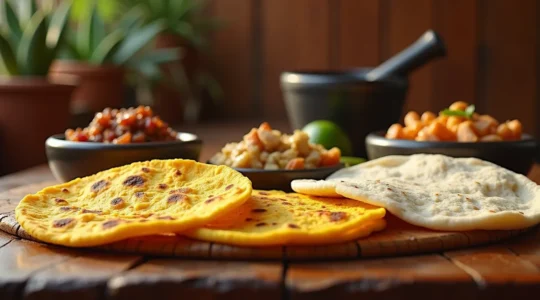
Corn vs. Flour: A Craftsman’s Guide to Authentic Taco Pairings
The true difference between corn and flour tortillas isn’t taste, but a 4,000-year-old food science called nixtamalization. This alkaline process unlocks corn’s nutrition and creates a natural “pseudo-gluten” network, making the tortilla strong yet tender. Authentic pairings, like corn tortillas…
Read more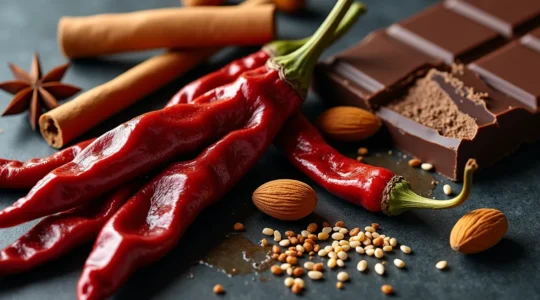
Mole Sauce Demystified: Why It Needs 20 Ingredients and Is Chocolate Just a Gimmick?
To view mole as a ‘chocolate sauce’ is to fundamentally misunderstand it. Mole is not a single recipe but a culinary philosophy of balance, where dozens of ingredients are not a complication but an essential symphony. The chocolate is a…
Read more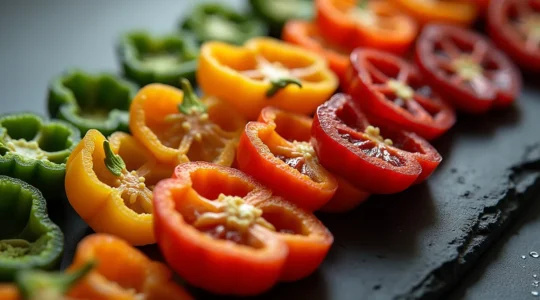
Scoville Scale Reality: How to Choose the Right Chili for Your Tolerance Level?
In Summary: The Scoville number is only half the story; true heat control comes from understanding the *dynamics* of capsaicin. Heat isn’t in the seeds. It’s concentrated in the white pith (placental tissue), which you can remove for precise heat…
Read more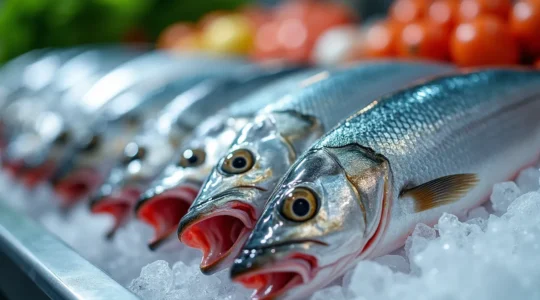
The Gill Check: How to Identify Truly Fresh Fish at the Supermarket Counter?
The freshest fish at the counter is often the one that was frozen solid at sea hours after being caught. Your nose is your best tool, but you need to know the right scents to look for: clean ocean or…
Read more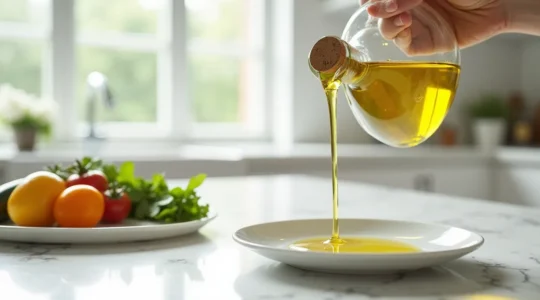
Cooking vs. Finishing: Why You’re Wasting Money Heating Premium Olive Oil?
The expensive extra virgin olive oil you’re cooking with is being wasted; its true value lies in its use as a raw condiment. High heat destroys the delicate, volatile aromas and health-giving polyphenols that define a premium finishing oil. The…
Read more
The Lemon Juice Mistake: Why the Secret to Vibrant Food Is Using Less Acid, Not More
Most of us believe acid’s role in the kitchen is to add a bright, zesty flavor. The truth is, we’re thinking about it backwards. The real power of acid, especially in Mediterranean cooking, is not in adding flavor but in…
Read more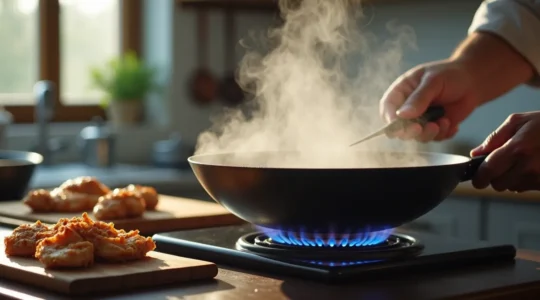
The “Velvetting” Technique: How to Make Chicken as Soft as Chinese Takeout
In summary: Tough stir-fry meat is caused by a catastrophic loss of heat in the wok, usually from overcrowding, which results in steaming instead of searing. The “velveting” technique is not just a marinade; it’s a professional par-cooking method that…
Read more
Miso Paste Varieties: Which Color Should You Buy for Soup vs Marinades?
The color of your miso is a clue, not a rule; understanding the fermentation process behind it is the true secret to mastering Asian pantry staples. Light misos (white, yellow) are younger and sweeter, ideal for delicate applications, while dark…
Read more
MSG Myths vs Reality: Is It the Secret to Restaurant-Quality Asian Dishes?
In summary: The “secret” to restaurant-quality flavor isn’t just MSG; it’s the scientific principle of umami synergy. True flavor depth comes from layering ingredients rich in glutamates (like tomatoes, soy sauce) with those rich in nucleotides (like dried mushrooms, anchovies)….
Read more
How to Combine International Flavors Without Creating a Confused Dish?
The secret to great fusion cooking isn’t mixing, it’s architectural design: one cuisine provides the structure, the other provides a deliberate accent. Successful fusion relies on a clear “Flavor Hierarchy” to prevent ingredients from competing. Choosing the right “Structural Canvas”…
Read more