Cooking Techniques
The difference between a mediocre meal and an extraordinary one often has little to do with exotic ingredients or complex recipes. Instead, it lies in the execution of fundamental cooking techniques. Whether you’re searing a steak, roasting vegetables, or balancing flavors in a sauce, understanding the science and mechanics behind each method transforms cooking from guesswork into confident creativity.
Mastering cooking techniques is the bridge between following recipes and truly understanding food. This knowledge empowers you to adapt on the fly, troubleshoot problems as they arise, and develop your own intuitive cooking style. From the precision of knife work to the nuances of heat application, from the chemistry of frying to the art of seasoning, these skills form the foundation that supports every dish you’ll ever create.
Foundation Skills That Separate Amateur From Professional Cooking
The most visible difference between home cooks and professionals isn’t access to better equipment, but rather the mastery of foundational practices that create consistency and efficiency in the kitchen.
Why Knife Skills Impact More Than Just Appearance
Proper knife technique affects far more than aesthetics. When vegetables are cut uniformly, they cook evenly, preventing some pieces from turning mushy while others remain raw. Consistent sizing also impacts texture and flavor release. A roughly chopped onion releases its juices differently than one with clean, precise cuts, affecting everything from caramelization to the final sauce consistency. Beyond the culinary benefits, good knife skills dramatically reduce prep time and minimize waste.
The Strategic Power of Mise-en-Place
The French culinary principle of mise-en-place, meaning “everything in its place,” transforms chaotic cooking into orchestrated execution. By measuring, chopping, and organizing all ingredients before you turn on the heat, you eliminate the panic of searching for spices while your garlic burns. This preparation method allows you to focus entirely on technique and timing, the two elements that most critically determine a dish’s success.
Heat Control: The Invisible Skill
Understanding when to use high, medium, or low heat isn’t arbitrary. Each temperature range serves specific purposes: high heat for rapid browning and searing, medium for even cooking without burning, and low for gentle simmering and reducing. Learning to adjust heat proactively rather than reactively prevents common disasters like scorched sauces or steamed meat that should have been seared.
Roasting: Unlocking Flavor Through Dry Heat
Roasting harnesses dry heat to caramelize sugars, concentrate flavors, and create textural contrasts that wet cooking methods cannot achieve. The magic happens through the Maillard reaction, a chemical process that begins around 300°F and generates hundreds of complex flavor compounds.
The Science of Proper Spacing
Overcrowding a roasting pan creates steam rather than the dry environment necessary for browning. Vegetables need space for air circulation, which is why professional kitchens emphasize proper spacing. As a practical rule, items should have at least half an inch of clearance between them, allowing moisture to escape rather than pool.
Selecting Fats for Function and Flavor
Different fats serve different purposes in roasting. Olive oil adds flavor but has a lower smoke point, making it ideal for vegetables roasting below 400°F. Neutral oils like grapeseed or avocado withstand higher temperatures, perfect for achieving crispy exteriors. Butter, while flavorful, burns easily and works best when combined with oil or added toward the end of cooking.
Preventing the Burnt Bottom Problem
Dark, burnt undersides with pale tops signal either too much direct bottom heat or insufficient air circulation. Solutions include:
- Using light-colored metal pans that reflect rather than absorb heat
- Positioning the oven rack in the center position for balanced heat exposure
- Flipping items halfway through cooking
- Utilizing convection settings to circulate heat evenly around all surfaces
Oven Mastery: Understanding Your Most Complex Appliance
Despite their ubiquity, home ovens remain mysterious to many cooks. Understanding their quirks and limitations turns this temperamental appliance into a reliable tool.
The Preheat Light Myth
When your oven’s preheat indicator turns off, it signals that the air temperature has reached your set point, but the actual internal materials like racks and walls haven’t fully absorbed heat. Professional bakers typically wait an additional 10-15 minutes after the light goes off before loading delicate items like soufflés or pastries, allowing the entire environment to stabilize.
Hotspot Management
Nearly all home ovens have temperature variations of 25-50°F between different zones. To identify your oven’s hotspots, place bread slices across a baking sheet and toast them. The darker pieces reveal hotter areas. Once you know your oven’s personality, you can rotate pans accordingly or position items strategically for more even results.
Rack Position Strategy
Rack placement controls how heat hits your food. The top third provides intense direct heat from the heating element, ideal for browning and broiling. The center offers the most balanced environment for even baking. The bottom third delivers strong bottom heat, useful for crispy pizza crusts but risky for delicate items that might burn underneath before cooking through.
Grilling: Commanding Fire for Flavor
Grilling introduces smoke, char, and intense heat that create flavor profiles impossible to replicate with indoor methods. The technique demands understanding both fire management and the distinction between direct and indirect heat.
Indirect Heat Technique
Indirect grilling places food away from the flame, using the grill like an outdoor oven. This method prevents the exterior from burning before the interior cooks through, making it essential for larger cuts like whole chickens or thick pork chops. Set up a two-zone fire: coals or burners on one side, food on the other, with the lid closed to circulate heat.
Managing Flare-Ups Safely
Fat dripping onto hot coals ignites into flames that can char food and create bitter, sooty flavors. Rather than dousing flames with water, which creates dangerous steam and ash, simply move food temporarily to the cool zone until flames subside. Trimming excess fat before grilling and maintaining a clean grill grate reduces flare-up frequency significantly.
Pan Cooking: Precision and Control on the Stovetop
Sautéing and pan-cooking offer unmatched control and direct feedback, allowing you to respond instantly to visual and aromatic cues that signal doneness or danger.
Why Pan Surface Area Matters
A crowded pan drops in temperature dramatically when cold ingredients hit the hot surface. This temperature loss means food steams rather than browns. Use a pan large enough that items sit in a single layer with space between them, or cook in batches. Surface contact with the hot pan is what creates the flavorful crust you’re seeking.
The Pan Toss Mechanics
The classic chef’s pan flip isn’t showmanship; it’s an efficient way to redistribute ingredients for even cooking without a utensil. The motion combines a forward push with a slight upward tilt and immediate pull-back. Start with just a small amount of dried beans or rice to practice the motion before attempting it with actual food over heat.
Deglazing: Rescuing Fond for Flavor
Those browned bits stuck to your pan after searing meat aren’t mess—they’re concentrated flavor called fond. Deglazing means adding liquid (wine, stock, or even water) to a hot pan, using a wooden spoon to scrape up these bits. This technique forms the foundation of countless pan sauces, transforming simple proteins into restaurant-quality dishes in minutes.
Deep Frying: Achieving Perfect Texture Safely
Deep frying creates uniquely crispy exteriors while keeping interiors moist, but it requires precise temperature control and respect for safety protocols.
Understanding Smoke Points
Every fat has a smoke point, the temperature at which it begins breaking down and smoking. For deep frying at 350-375°F, choose oils with smoke points above 400°F: peanut, canola, vegetable, or refined safflower oil. Olive oil and butter smoke at lower temperatures, making them unsuitable for this high-heat technique.
Temperature Stability Management
When cold food enters hot oil, the temperature drops. Adding too much food at once causes excessive cooling, resulting in greasy, soggy results. Work in small batches and allow oil to recover to the target temperature between batches. A deep-fry thermometer provides essential feedback, as maintaining that narrow 350-375°F range separates crispy success from oily failure.
Safety Protocols
Deep frying accidents happen when water meets hot oil. Follow these non-negotiable safety rules:
- Pat all food completely dry before frying
- Never fill the pot more than halfway with oil to prevent overflow
- Keep a lid nearby to smother flames if oil ignites
- Never move a pot of hot oil
- Allow oil to cool completely before disposal
High-Heat Techniques and Wok Cooking
High-heat cooking creates distinctive flavors through rapid cooking and controlled charring. The challenge for home cooks lies in generating and managing the intense heat that professional kitchens achieve effortlessly.
Achieving “Wok Hei” at Home
Wok hei, literally “breath of the wok,” describes the slightly smoky, seared flavor that defines great stir-fry. It requires temperatures that most home stoves struggle to reach. Compensate by working in very small batches, preheating the wok until it just begins smoking, and keeping ingredients moving constantly. Some dedicated home cooks use outdoor propane burners designed for woks to achieve authentic restaurant results.
Understanding Char Versus Burn
Char adds complexity and bitter-sweet notes; burn tastes acrid and unpleasant. The difference is control. Intentional charring targets specific surfaces briefly under high heat, creating localized browning. Burning happens when food sits too long in one position or when heat is too intense for the item’s sugar content. Practice recognizing the transition point by watching color and smelling the developing aromas.
Smoking: Adding Depth Without a Dedicated Smoker
Smoke flavor doesn’t require elaborate equipment. Several techniques bring these complex, aromatic qualities to conventional cooking.
The Stovetop Smoking Method
A simple foil packet of wood chips placed directly on a burner beneath a roasting rack creates smoke in any covered pot or wok. Use soaked wood chips for slower, more controlled smoke, or dry chips for intense, quick smoking. This method works beautifully for fish, chicken, or vegetables that cook relatively quickly.
Tea Smoking Technique
An Asian technique that uses tea leaves, rice, and sugar as smoking fuel creates delicate, aromatic smoke perfect for poultry and seafood. Combine equal parts tea leaves and rice with a tablespoon of sugar in foil at the bottom of a wok, place food on a rack above, cover tightly, and heat over medium-high. The mixture smolders rather than flames, infusing food with subtle, fragrant smoke.
Developing Your Palate: Tasting and Seasoning
Technical skill means little without the ability to evaluate and adjust flavors. Palate training is the most overlooked cooking technique, yet it’s what allows experienced cooks to correct and balance dishes intuitively.
Balancing the Core Flavor Elements
Great dishes balance salt, acid, fat, and sweetness. When something tastes flat but you can’t identify why, systematically evaluate each element. Too much richness needs acid to cut through; excess saltiness benefits from sweetness or fat; harshness softens with gentle sweetness or umami.
The Tasting Protocol
Taste deliberately at multiple stages: before seasoning, during cooking, and before serving. Use a clean spoon each time, let the food cool slightly so heat doesn’t mask flavors, and pay attention to how flavors hit your palate. The finish, or lingering aftertaste, often reveals what a dish needs more than the initial taste does.
Fixing Over-Salted Dishes
Contrary to myth, raw potatoes won’t absorb excess salt. Real solutions depend on the dish type. For soups and stews, dilution works: add unsalted liquid, more vegetables, or cream. For other dishes, balance the saltiness by adding acid, sweetness, or fat to create complexity that makes the salt less prominent. In severe cases, making a second unsalted batch and combining them remains the most effective remedy.
These cooking techniques form an interconnected system where each skill reinforces the others. Knife skills support better heat application, heat control enables proper browning, and developed tasting ability guides all your technical decisions. As you practice and internalize these methods, cooking transforms from anxiety-inducing uncertainty into confident, creative expression.
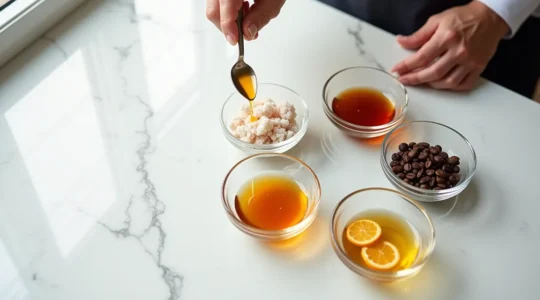
The 5 Tastes: A Disciplined Approach to Identifying What’s Missing in Your Dish
Developing a professional palate is not magic; it is the mastery of a rigorous diagnostic system for deconstructing flavor. A “flat” dish is a symptom of imbalance, typically a deficit in salt, acid, or fat—not a lack of ingredients. Flavor…
Read more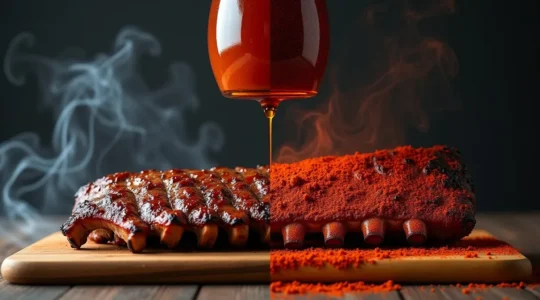
Liquid Smoke vs Smoked Paprika: Unlocking Authentic BBQ Flavor Indoors
Achieving authentic indoor BBQ flavor is less about choosing between liquid smoke and paprika, and more about mastering a diverse toolkit of smoke-infusion techniques. Explore the science of the “smoke ring” and how to replicate it without charcoal. Learn specialized…
Read more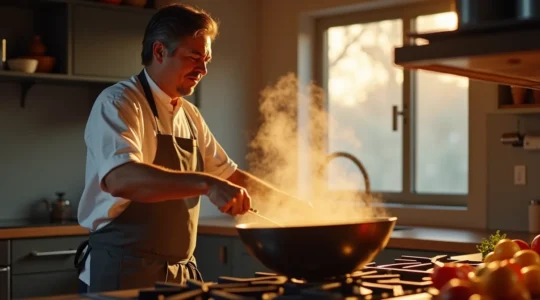
Wok Hei at Home: How to Achieve Smoky Flavor Without a Commercial Burner?
Achieving real wok hei at home isn’t about owning a high-BTU restaurant burner; it’s about hacking the physics of flavor with controlled combustion. The key is not ambient heat, but surgically applying intense, targeted flame with a handheld torch to…
Read more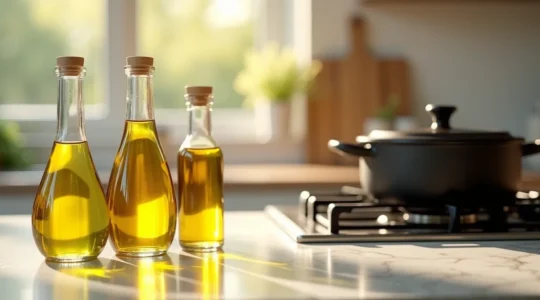
Which Oil Should You Choose for High-Heat Frying to Avoid Smoke Points and Burnt Flavors?
The key to perfect, non-toxic frying isn’t just a high smoke point; it’s understanding an oil’s chemical stability and using the right technique. Unrefined oils contain impurities (free fatty acids) that burn quickly, creating toxic acrolein and a bitter taste,…
Read more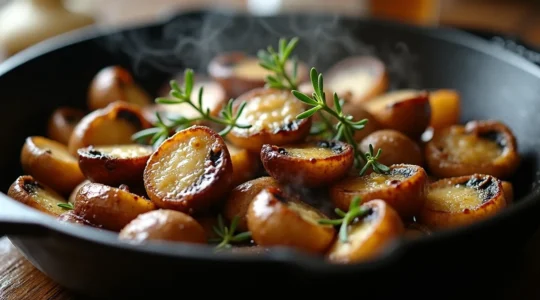
The Mistake That Ruins Sautéed Mushrooms and How to Avoid It Every Time
The cardinal sin of sautéing is overcrowding the pan, which traps moisture and steams your food instead of searing it. True sautéing requires managing a “heat bank” to keep the pan’s surface temperature above the 300°F (150°C) threshold for the…
Read more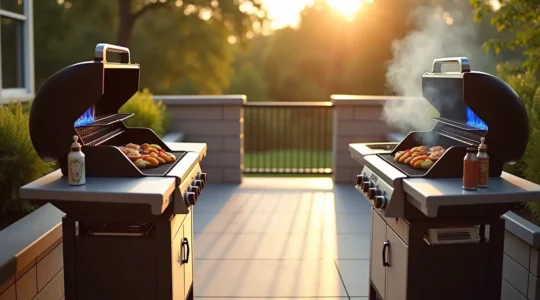
Gas vs Charcoal Grilling: Which Method Best Suits a Busy Weeknight Schedule?
The great grill debate isn’t about gas convenience versus charcoal flavor; it’s about mastering universal techniques that work on any grill. True smoke flavor comes from controlling temperature and wood choice, not just the fuel source. Professional results depend on…
Read more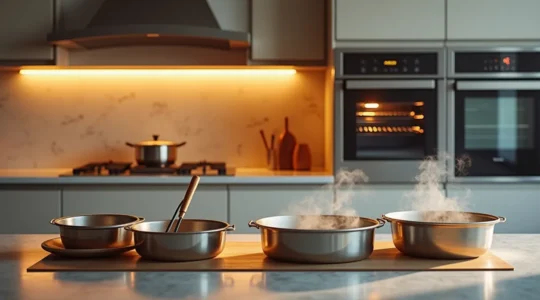
Why Your Oven Temperature Varies by 20 Degrees and How to Fix It?
Contrary to popular belief, a perfect bake isn’t about blindly trusting your oven’s dial or even a separate thermometer. The real key is understanding your oven as a dynamic thermal system. This guide demystifies why your oven’s temperature constantly fluctuates…
Read more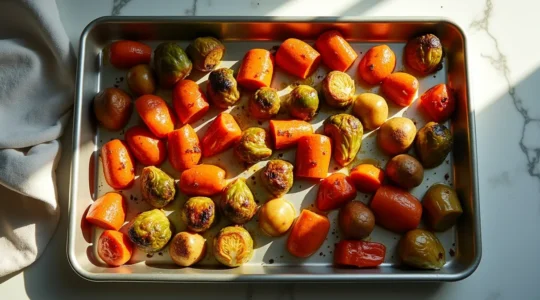
Roasting Vegetables: How to Achieve Perfect Caramelization Without Buying Expensive Equipment?
Perfect roasting isn’t about following a recipe; it’s about controlling heat transfer and chemical reactions. Steam, caused by overcrowding your pan, is the number one enemy of browning. Maximizing dry air contact is the primary goal. Your oven’s temperature dial…
Read more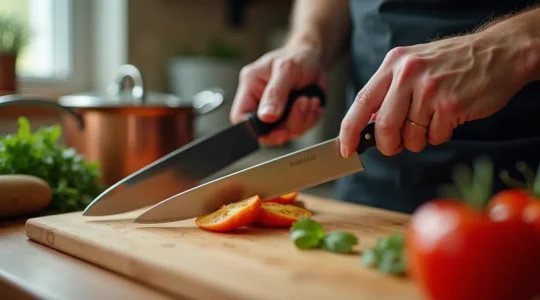
Which 5 Essential Techniques Will Transform Your Home Cooking from Average to Restaurant Quality?
The gap between home and restaurant cooking isn’t about secret ingredients, but mastering the science behind five core technical pillars. Precise knife cuts and deliberate heat control are essential for ensuring even cooking and maximizing flavor through chemical reactions like…
Read more