Cakes & Pastries
The world of cakes and pastries represents one of the most refined and technically demanding corners of culinary arts. From delicate éclairs with mirror-like glazes to multi-layered celebration cakes that defy gravity, success in pastry requires equal parts precision and creativity. Whether you’re aiming to perfect a simple tea-time treat or architect an elaborate dessert centerpiece, understanding the fundamental techniques that underpin pastry work transforms baking from following recipes into true craftsmanship.
This comprehensive resource explores the essential methods, scientific principles, and practical skills that separate amateur attempts from professional results. We’ll examine everything from the mechanics of incorporating air into batters to the delicate temperature dance required for silky custards, the structural logic behind layered desserts, and the finishing techniques that deliver visual impact. By mastering these interconnected skills, you’ll gain the confidence to troubleshoot failures, adapt recipes to your preferences, and create stunning pastries that taste as extraordinary as they look.
Mastering Fundamental Pastry Techniques
Before diving into specific pastries, grasping the core techniques that appear across countless recipes provides an invaluable foundation. These methods control texture, structure, and stability—the three pillars of successful pastry work.
Aeration and the Mechanics of Folding
Incorporating air into mixtures creates the light, tender crumb we associate with quality cakes and the ethereal texture of mousses. Mechanical aeration happens through whisking eggs, creaming butter with sugar, or whipping cream—each creating tiny air pockets that expand during baking. The challenge lies in preserving these bubbles when combining ingredients.
The folding technique addresses this precisely. Rather than stirring, which deflates air cells, proper folding uses a gentle lifting and turning motion. Picture cutting through the center of your mixture with a spatula, scraping along the bottom of the bowl, then bringing that portion up and over the top. Rotate the bowl a quarter turn and repeat. This method maintains volume while achieving homogeneous mixtures—essential for soufflés, génoise cakes, and mousse-based desserts.
Temperature Synchronization and Timing
Temperature control separates competent bakers from exceptional ones. Temperature synchronization—ensuring all components reach compatible temperatures before combining—prevents curdling, seizing, and textural failures. When adding cold cream to warm custard, the temperature shock can break the emulsion. When pouring hot filling into pastry shells, excessive heat makes crusts soggy.
Similarly, strategic resting periods allow textures to set properly. Chilling tart dough before rolling prevents shrinkage, while resting cake layers before frosting prevents sliding and crumb contamination. These waiting periods aren’t wasted time—they’re when chemical and physical transformations complete their work.
Stabilization Methods with Gelatin
For desserts that must hold their shape outside the freezer, gelatin provides structural insurance. This protein-based gelling agent creates a mesh network that traps liquids while maintaining a delicate mouthfeel. Blooming gelatin in cold water first ensures even hydration, preventing lumps. The mixture then dissolves in warm liquid—never boiling, which destroys gelling power. Understanding gelatin’s setting temperature (around 59°F or 15°C) explains why certain mousses and bavarians need refrigeration time before unmolding, and why they soften quickly at room temperature.
Building Blocks: Shells, Choux & Custards
Three fundamental preparations form the backbone of countless pastries: sturdy shells for tarts and pies, versatile choux pastry for éclairs and cream puffs, and crème pâtissière as a filling base. Mastering these opens a world of creative possibilities.
Technical Pastry Shell Execution
Perfect tart shells demand attention to fat temperature, handling technique, and baking methodology. Keeping butter cold creates flaky layers—as butter melts during baking, it releases steam that separates dough strata. Overworking develops gluten, leading to tough, shrinking crusts.
Blind baking—pre-baking shells before adding fillings—prevents soggy bottoms. Line chilled dough with parchment and fill with pie weights (or dried beans) to prevent puffing and slumping. Partial blind baking suits wet fillings that will bake further; complete blind baking prepares shells for no-bake fillings like pastry cream or fresh fruit. Knowing when fillings should go into warm versus cooled shells affects final texture: hot custard poured into warm shells integrates smoothly, while cold fillings need completely cooled shells to prevent condensation.
Choux Pastry Excellence
Choux pastry—the foundation for éclairs, cream puffs, and Paris-Brest—relies entirely on steam leavening rather than chemical leaveners. Water and butter boil together, then flour cooks in this hot mixture, gelatinizing starches. This cooked paste (panade) then accepts eggs gradually—the moisture in eggs creates the steam that puffs the pastry during baking.
Proper egg incorporation determines final texture. Add eggs gradually, mixing thoroughly between additions until the paste reaches “glossy ribbon” consistency—it should drop slowly from the spatula in a V-shape. Too little egg yields dense, compact puffs; too much creates flat puddles. Flour type matters: bread flour’s higher protein content provides structure, while all-purpose flour creates more delicate shells. Piping uniformity ensures even baking—consistent size means simultaneous cooking, preventing some pieces from burning while others remain pale.
Crème Pâtissière Fundamentals
This French pastry cream appears in countless desserts as filling, base layer, or enrichment. The process demands respect for one critical safety concern: properly tempering eggs to avoid scrambling. Warming eggs gradually by whisking in hot milk bit by bit raises their temperature gently before they join the main pot. Rush this step, and you’ll strain out sweet scrambled eggs instead of silky cream.
Cooking crème pâtissière requires constant stirring as it thickens dramatically. Strain the finished cream to remove any cooked egg bits or lumps, then immediately cover the surface with plastic wrap pressed directly onto the cream. This contact coverage prevents skin formation as it cools. Flavor infusions work best when added during milk heating—vanilla, citrus zest, or coffee steep in warm milk, then strain before proceeding. Lightening with whipped cream creates crème diplomate, a fluffier variation perfect for filling choux or layering in trifles.
Layering, Assembly & Texture Preservation
Multi-layered desserts deliver visual drama and textural contrast, but only when each component maintains its integrity. Understanding how moisture migrates between layers and employing strategic barriers separates amateur attempts from professional results.
The primary enemy of layered desserts is moisture migration. Wet fillings soften crisp components; fresh fruit releases juice that dissolves cake structure. Creating fat barriers—thin layers of buttercream, ganache, or melted chocolate—provides waterproof protection. Brushing génoise with a chocolate coating before adding raspberry coulis preserves the sponge’s texture for days.
Biscuit or cake selection affects longevity. Denser cakes like pound cake resist moisture better than delicate sponges. Ladyfingers, designed for tiramisu and charlottes, actually improve with controlled moisture absorption—they should soften slightly while maintaining structure. Layering order follows logic: sturdiest components at the bottom bearing weight, delicate elements protected between stable layers, and finishing touches added just before serving.
Timing strategies vary by dessert type. Some layered creations improve overnight as flavors meld; others require last-minute assembly to preserve textural contrasts. Verrines—individual layered desserts in glasses—benefit from transparent vessels that showcase stratigraphy while containing each layer. Understanding when to serve matters tremendously: many mousses and cream-based desserts shine at cool room temperature rather than fridge-cold, allowing flavors to bloom. Re-crisping techniques like brief oven exposure can revive compromised textures, though prevention through proper barriers remains superior.
Finishing Touches: Glazing, Plating & Presentation
Technical excellence deserves equally polished presentation. Professional finishing techniques transform homemade pastries into bakery-worthy creations that captivate before the first bite.
Glazing methodology varies by coating type. Fondant—a pourable sugar icing—requires precise temperature control, typically between 95-100°F (35-38°C). Too hot, it runs off completely; too cold, it drags and tears the pastry surface. The dipping technique for éclairs involves inverting the pastry and submerging just the top surface, then lifting with a swift motion to allow excess to drip back. A clean swipe against the bowl edge removes drips before inverting right-side up.
Chocolate ganache glazes demand similar precision. Mirror glazes require specific temperatures and careful pouring technique to achieve that glossy, reflective finish that photographs so beautifully. Consistency matters enormously for stability—fillings for éclairs or cream puffs need enough body to stay put when piped, avoiding the dreaded soggy bottom while remaining creamy and luxurious. Proper storage prevents sogginess: many glazed pastries keep best in single layers with airflow, avoiding sealed containers that trap condensation.
Cutting clean slices from multi-layered cakes challenges many bakers. The professional secret? A long, sharp knife heated under hot water, then wiped dry before each cut. The warm blade melts through chocolate and buttercream cleanly instead of dragging and smearing. Plating aesthetics apply principles of visual balance: odd numbers of elements create interest, negative space prevents crowding, and height adds drama. A quenelle of whipped cream, a dusting of cocoa, or a few fresh berries transforms a simple slice into a restaurant-worthy presentation.
Pairings, Combinations & Elegant Service
Beyond technical execution, understanding flavor harmonies and serving contexts elevates pastry work into true hospitality. Thoughtful pairings create memorable experiences that engage multiple senses simultaneously.
Hot and cold contrast delivers sensory excitement—think warm apple tart with cold vanilla ice cream, or molten chocolate cake alongside frozen sorbet. The temperature difference awakens the palate, while melting creates textural interplay. Nut and fruit harmony follows natural affinities: almonds with stone fruits, hazelnuts with chocolate, pistachios with citrus. These combinations work because complementary flavors share aromatic compounds or provide textural balance between creamy and crunchy elements.
The coffee and chocolate synergy represents one of pastry’s most reliable partnerships. Coffee doesn’t just accompany chocolate desserts—it enhances them. Subtle coffee notes in chocolate ganache deepen cocoa complexity without announcing themselves, while espresso-soaked layers in tiramisu create sophisticated bitterness balancing sweet mascarpone.
Hosting tea service demands particular attention to variety, pairing, and planning. Scone texture perfection requires gentle handling and proper leavening to achieve tender, slightly crumbly interiors with golden exteriors. Petit fours variety ensures guest appeal—offer diversity in flavors, textures, and visual styles. Pairing tea with pastries follows flavor intensity principles: delicate white teas suit subtle fruit tarts, robust black teas stand up to rich chocolate desserts, and floral oolongs complement almond-based pastries.
Calculating portion sizes prevents waste or shortfall—figure 2-3 small pastries per person for tea service, more if it’s the main event rather than following a meal. Prep timeline planning makes hosting enjoyable rather than frantic: many components prepare days ahead, while final assembly happens the morning of or just before serving. Serving vessel selection matters more than many realize—pedestals create visual elevation, tiered stands organize variety elegantly, and individual portions simplify serving while looking polished.
Mastering cakes and pastries ultimately combines scientific understanding with artistic vision. The techniques explored here—from properly folding batters to architecting stable layers and creating harmonious flavor combinations—build upon one another, forming an interconnected skill set. As you practice these methods, you’ll develop intuition about when dough feels right, when custard reaches proper thickness, and how components will interact. This foundation empowers creativity, allowing you to adapt recipes confidently, troubleshoot unexpected challenges, and eventually develop your own signature creations that reflect your personal style and delight those fortunate enough to taste them.
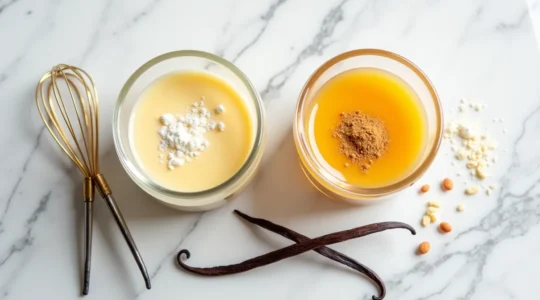
Cornstarch vs. Flour: The Ultimate Guide to Perfectly Smooth Custard Cream
The key to perfectly smooth custard isn’t just constant whisking; it’s understanding how different starches control structural integrity and mouthfeel. Flour provides superior structure for fillings like éclairs due to its protein content, while cornstarch offers a glossier, more delicate…
Read more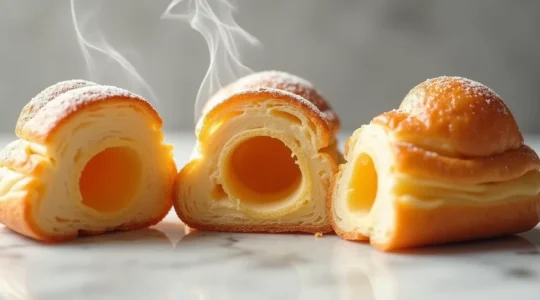
Why Your Choux Pastry Collapses After Baking and How to Dry It Properly?
The collapse of choux pastry is not a single baking error, but a structural failure where the internal scaffolding of starch and protein doesn’t set before the internal steam pressure subsides. A weak foundation is created if the flour-water paste…
Read more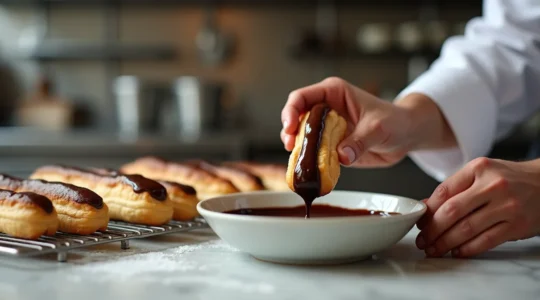
The Common Glazing Mistake That Makes Chocolate Éclairs Look Messy and Amateur
The belief that a messy éclair is merely a decoration error is wrong; it is a sign of a fundamental structural and chemical failure. The “double dip” or hesitant glazing motion creates waves and ridges, ruining the smooth surface. Incorrect…
Read more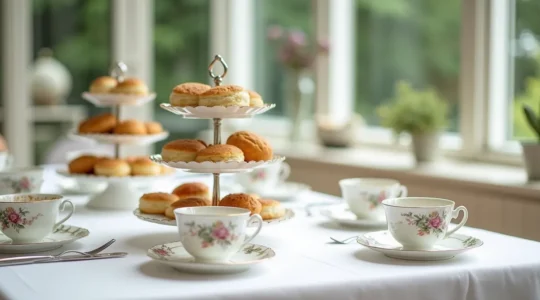
Hosting Afternoon Tea: How to Plan a Sophisticated Pastry Menu That Impresses Guests?
The secret to an impressive afternoon tea is not a complex set of recipes, but a mastery of strategic orchestration: balancing flavors, textures, and timing. Prioritize the science of temperature, especially for butter, as it dictates the final texture of…
Read more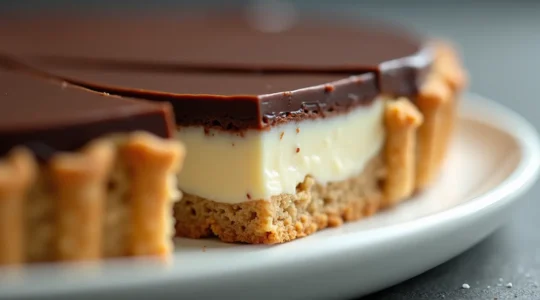
How to Engineer Biscuit Crunch That Lasts in Moist Desserts for Over 24 Hours
The secret to a crisp biscuit base that survives in the fridge is not a single trick, but a systematic approach to controlling moisture migration at a molecular level. A hydrophobic (water-repelling) barrier like chocolate or cocoa butter is the…
Read more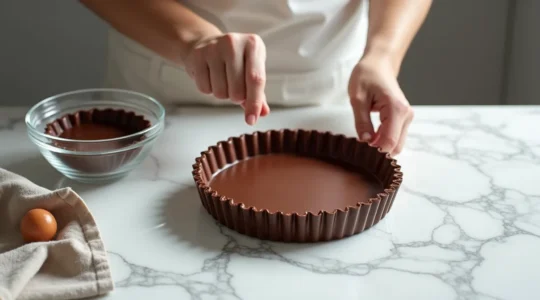
The Pastry Chef’s Edict: Why Your Chocolate Tart Shell Shrinks and How to Stop It with Science
Your tart shell doesn’t shrink because you missed a recipe step; it fails because you have misunderstood the physics of pastry. Shrinkage is a battle against gluten tension, which is only controlled with aggressive chilling and proper resting. A perfect…
Read more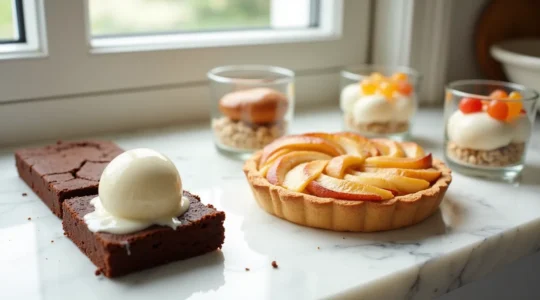
3 Classic Pastry Combinations That Guaranteed Success for Beginner Bakers
The key to overcoming baking fears isn’t just following recipes, but understanding the simple, scientific principles that make classic dessert pairings foolproof. Contrasting temperature (hot/cold) and texture (creamy/crunchy) creates a more dynamic sensory experience. Certain ingredients don’t just add flavor,…
Read more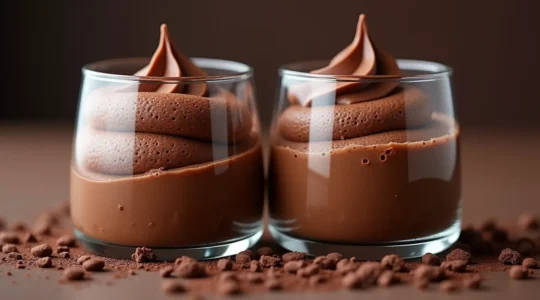
Egg Whites or Heavy Cream: Which Base Creates the Most Airy Mousse Structure?
The perfect mousse texture is not a matter of preference between egg whites and cream, but a direct result of mastering two different physical structures: the protein network and the fat globule matrix. Egg white foams create an extremely light,…
Read more