Blog
Cooking at home sits at the intersection of science, art, and psychology. It’s where chemistry meets creativity, where tradition encounters innovation, and where our daily need for nourishment transforms into an opportunity for genuine satisfaction. Yet for many home cooks, the kitchen can feel like a battleground of wasted ingredients, failed experiments, and chronic time pressure.
This disconnect between cooking’s potential and its daily reality stems from gaps in our understanding—not of recipes, but of fundamental principles. The difference between someone who cooks confidently and someone who feels perpetually overwhelmed often comes down to grasping a few core concepts: how flavors actually interact, why efficiency isn’t about speed alone, what makes food truly satisfying, and how to build systems that support rather than complicate your cooking life. This article explores these foundational elements, offering you the framework to transform cooking from a source of stress into a genuinely rewarding practice.
Why Cooking Feels Overwhelming (and How to Break Free)
The most common obstacle to regular home cooking isn’t lack of skill—it’s mental fatigue. The endless loop of deciding what to cook, finding recipes, shopping for ingredients, and executing meals creates what psychologists call “decision fatigue,” depleting your cognitive resources before you even turn on the stove.
This phenomenon intensifies when you lack a framework. Without structure, each meal becomes a unique problem requiring fresh mental energy. Think of it like writing an essay from scratch every single day versus having a template that guides your approach. The latter conserves mental bandwidth for the creative elements you actually enjoy.
Creating Rotation Systems That Actually Work
The solution lies in structured creativity—establishing loose frameworks that provide direction without rigidity. A rotation system might look like assigning broad categories to different days: grain bowls on Mondays, one-pot meals on Wednesdays, breakfast-for-dinner on Fridays. Within each category, you maintain creative freedom while eliminating the paralyzing question of “what type of meal should this be?”
Digital Tools Versus Physical Cookbooks
Both approaches have merit, but they serve different psychological needs. Digital tools excel at searchability and adaptability—you can filter by ingredients you already own or dietary restrictions. Physical cookbooks, however, create what researchers call “constrained choice,” limiting options in ways that paradoxically feel liberating. Many confident cooks use both: cookbooks for inspiration and building mental models of how cuisines work, digital tools for practical weeknight problem-solving.
Building a Pantry That Works With You, Not Against You
Impulse ingredient purchases represent one of home cooking’s greatest sources of waste and guilt. You spot an interesting spice or exotic vegetable, imagine elaborate dishes, buy it with good intentions, then watch it languish unused until it’s quietly discarded. This cycle erodes both your budget and your cooking confidence.
The antidote is building a strategic pantry foundation centered on versatile staples that enable spontaneity rather than limiting it. Think of your pantry as a vocabulary: before you can write poetry, you need to master fundamental words you’ll use repeatedly. These might include:
- Acid sources (vinegars, citrus, preserved lemons) that brighten any dish
- Umami foundations (soy sauce, miso, anchovies, tomato paste) that add depth
- Textural elements (nuts, seeds, dried fruits) that create contrast
- Aromatics (garlic, ginger, onions, fresh herbs) that form flavor bases
When you master using these core ingredients, specialty items become enhancements rather than requirements. You’re cooking from your pantry, not constantly cooking for your pantry to prevent waste. This shift in perspective transforms grocery shopping from stressful obligation into strategic reinforcement of what’s already working.
Speed and Quality: The Techniques That Actually Matter
The perception that you don’t have time to cook often stems from inefficient technique rather than actual time scarcity. A meal that truly takes 20 minutes of active work can feel like an hour-long ordeal if you’re waiting for cold ingredients to heat, water to boil, or flavors to develop from poorly executed methods.
Temperature: The Variable Everyone Overlooks
Bringing ingredients to room temperature before cooking represents one of the highest-return investments of time in the kitchen. A cold chicken breast going into a hot pan undergoes thermal shock—the outside overcooks while the center remains cold, leading to dry, unevenly cooked protein. Fifteen minutes on the counter solves this entirely, yet most home cooks skip this step, then wonder why their results disappoint.
The One-Pot Method Done Right
One-pot cooking isn’t simply throwing everything together—it’s understanding the sequence of what needs time and heat versus what needs protection from overcooking. Aromatics get sautéed first to build a flavor foundation. Proteins that need browning go in next. Liquids deglaze and incorporate those browned bits. Quick-cooking vegetables enter near the end. This layering approach builds complexity that tastes like you’ve been cooking for hours when you’ve actually been actively engaged for perhaps twenty minutes.
Pressure Cooking as a Technique Multiplier
Modern pressure cookers don’t just save time—they transform texture in ways traditional cooking cannot. Tough cuts of meat that normally require three hours of braising become fork-tender in 45 minutes. Dried beans that you forgot to soak cook perfectly in 25 minutes. The key is understanding that pressure cooking excels at specific tasks (breaking down connective tissue, hydrating dried goods) while being inappropriate for others (anything requiring crispy texture or delicate handling).
The Science of Flavor: Moving Beyond Basic Seasoning
Most home cooks understand salt and pepper, but sophisticated flavor development requires embracing the full spectrum of taste: sweetness, saltiness, sourness, bitterness, and umami. The magic happens not in maximizing any single element, but in creating tension and balance between contrasting flavors.
The Surprising Role of Salt in Sweets
Salt doesn’t just make food salty—it acts as a flavor amplifier and contrast creator. In desserts, a small amount of salt (often undetectable as “salty”) makes sweetness taste more complex and prevents cloying one-dimensionality. This is why high-quality chocolate often contains salt, and why experienced bakers add a pinch to cookie dough. You’re not making the dessert salty; you’re making the sweetness more interesting.
Acidity: The Missing Element in Most Home Cooking
If your food tastes flat or “missing something,” the answer is almost always acid. A squeeze of lemon juice, splash of vinegar, or spoonful of yogurt creates brightness that lifts other flavors and cuts through richness. Think of acidity as culinary lighting—it makes everything else more visible and vibrant. Rich stews need acidity. Creamy sauces need acidity. Even fruit desserts benefit from a touch of citrus to make their sweetness sparkle.
Understanding Bitter-Sweet Interactions
Bitterness often gets avoided in home cooking, yet it provides crucial complexity. Coffee, dark chocolate, radicchio, and grapefruit all contain beneficial bitterness that, when balanced with sweetness or fat, creates sophisticated flavor profiles. The key is moderation and pairing—bitter greens with sweet roasted vegetables, dark chocolate with sweet fruit, coffee with cream and sugar. These combinations create flavor interest that single-note dishes can never achieve.
How We Really Experience Food
Taste is only one component of how we experience food. Texture, aroma, visual presentation, and even eating pace dramatically influence satisfaction—yet most home cooks focus exclusively on flavor development while ignoring these equally powerful variables.
Texture Contrast: The Element That Creates “Wow”
Dishes that people remember almost always contain textural variety. Creamy with crunchy. Soft with chewy. Smooth with coarse. This is why a soup becomes memorable when topped with crispy croutons or toasted seeds, why salads feel more satisfying with nuts, why pasta benefits from breadcrumb garnish. Your palate processes texture independently from flavor, creating multiple dimensions of interest in a single dish.
Aroma’s Invisible Influence
The majority of what we call “taste” actually derives from aroma. This is why food tastes bland when you have a cold—your taste buds work fine, but your olfactory system cannot process aromatic compounds. Practical application: use fresh herbs as finishing elements, not just cooking ingredients. Toast spices before using them. Let garlic and onions cook until fragrant before adding other ingredients. These techniques maximize aromatic impact.
The Psychology of Eating Pace
Eating slowly isn’t just about digestion—it’s about allowing your sensory system to register what you’re consuming. It takes approximately 20 minutes for satiety signals to reach your brain. When you eat rapidly, you consume more food while experiencing less satisfaction. This has practical implications: meals designed with components that require attention (things to crack, peel, or assemble) naturally slow eating pace and increase satisfaction despite potentially smaller portions.
Honoring Culinary Roots in Modern Kitchens
Many traditional recipes taste different when prepared today not because techniques have declined, but because ingredients have fundamentally changed. Modern tomatoes are bred for shelf stability and uniform appearance rather than flavor intensity. Commercial chickens grow in weeks rather than months, producing different fat content and texture. Even water quality varies significantly based on location, affecting everything from bread dough to bean cooking.
Respecting culinary heritage means understanding that authentic recipes emerged from specific ingredient contexts. When your grandmother’s recipe doesn’t work, it’s often because her tomatoes were different, her chicken was different, her flour was different. Adaptation isn’t betrayal—it’s necessary translation. Seeking out heirloom varieties, supporting local producers who prioritize flavor, and understanding how ingredient quality affects outcomes allows you to capture the spirit of traditional cooking even when exact replication proves impossible.
Similarly, well-seasoned cookware contributes flavor compounds that new cookware cannot. A properly maintained cast-iron pan or wok develops a patina over years that imparts subtle depth. This doesn’t mean you need antique equipment, but it does mean understanding that some traditional techniques relied on tools that improved with age rather than degraded.
The goal isn’t museum recreation of historical cooking—it’s understanding the principles behind why certain approaches worked, then applying those principles using what’s available to you now. This mindset transforms you from recipe-follower into recipe-understander, capable of achieving excellent results even when circumstances differ from the original instructions.
Cooking confidence ultimately comes from understanding systems rather than memorizing steps. When you grasp why flavors balance, how efficiency actually works, what makes food satisfying beyond taste alone, and how ingredients have evolved, you stop needing to ask “what’s for dinner?” with dread. Instead, you open your pantry, assess what’s available, and know exactly how to transform it into something genuinely nourishing—for both body and spirit.

Shop the Farmers Market Like a Chef: Your Strategy for Unlocking Peak Flavor and Value
Most advice for farmers market shopping is wrong. The secret to getting the best deals isn’t just arriving late; it’s about understanding the market’s hidden economy. This guide reframes your approach from a simple consumer to a strategic sourcer, showing…
Read more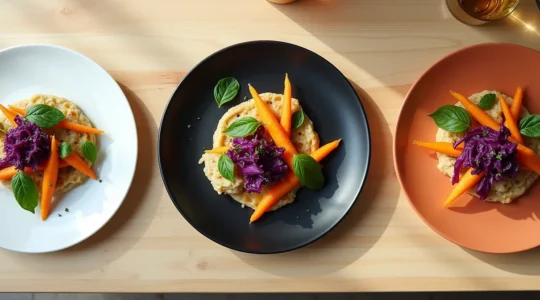
Visual Hunger: How Plating Your Food Can Make You Feel Full Faster?
Most believe feeling full is a simple matter of stomach capacity. The reality is a fascinating illusion orchestrated by your brain. True satiety isn’t about volume, but about sensory satisfaction. This article deconstructs the key psychological triggers—from texture and aroma…
Read more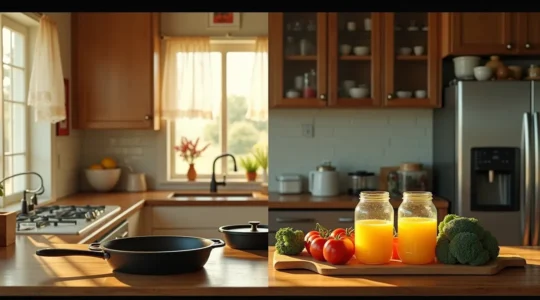
Why Your Grandma’s Recipes Don’t Taste the Same and How to Fix It?
The disappearing flavor in your grandmother’s recipes isn’t a figment of your imagination; it’s a verifiable result of decades of change in the material science of our food. Modern ingredients like shortening and mass-market produce are fundamentally different at a…
Read more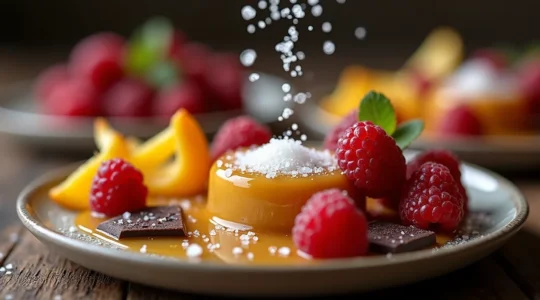
How to Balance Sweet Dessert Flavors with Acid and Salt for a More Sophisticated Palate?
The secret to elevating a simple sweet dessert into a sophisticated experience lies not in reducing sugar, but in constructing a multi-layered “flavor architecture” using strategic counterpoints. Salt doesn’t just fight sweetness; at a chemical level, it can actually enhance…
Read more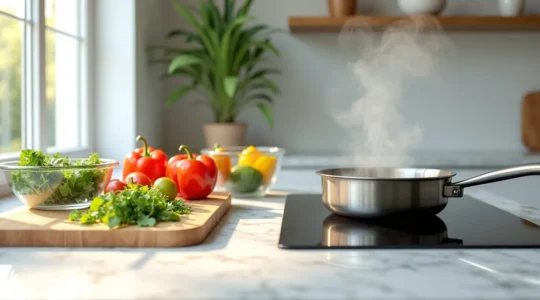
How to Cook a Real Meal in Under 20 Minutes, Every Time
Cooking fast isn’t about shortcuts; it’s about eliminating the hidden time-sinks in your technique. Your pan’s temperature and your choice of protein can save you over 10 minutes alone, without any extra effort. Systematizing your choices with a “Decision-Free Matrix”…
Read more
How to Find Culinary Inspiration When Your Kitchen Feels Uninspired
The solution to cooking fatigue isn’t finding more recipes; it’s building a creative system that eliminates decision-making and unlocks the potential already in your pantry. Your brain is hardwired to reject complex new tasks like recipes after a long day…
Read more